AUSTIN — The 2026 Winter Olympics will run Feb. 6–22 in Milan and Cortina d’Ampezzo, Italy, a timeline that sets the window for watch gatherings and recreation programming in Mueller. Organizers across the neighborhood are reviewing dates, venue availability and staffing as they shape winter calendars around the Games schedule.
Why the timing matters in Mueller
The Olympics cadence places a large global event in the middle of winter. The International Olympic Committee split the Summer and Winter Games in 1994, creating alternating events every two years, according to Britannica. The first Winter edition under that format was Lillehammer 1994, followed by the Atlanta 1996 Summer Games. The four-year period for each type of Games, the Olympiad, still holds. Summer events fall in year one of the cycle and Winter events in year three, Britannica notes.
For Mueller planners, that rhythm sets a fixed anchor for early-year events. Restaurants, fitness studios and community groups that schedule screenings or clinics around Olympic broadcasts are mapping session times and staff shifts to align with the European time zone. Venue operators say they are assessing security, parking and cleanup needs for peak viewing windows.
What the Games include
Milan and Cortina d’Ampezzo will co-host with events split between an urban center and alpine sites, according to Wikipedia. The organizing plan covers:
- Dates: Feb. 6–22, 2026
- Participation: more than 3,500 athletes from 93 countries
- Program: 16 Olympic sports, including ski jumping, snowboarding, bobsleigh and figure skating
The United States is expected to contend across multiple sports based on historical results, according to Wikipedia. That outlook often drives higher turnout for bar and plaza screenings during marquee events.
City planning analogies and co-host lessons
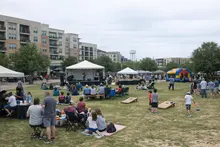
The Milan–Cortina model relies on transport links between metropolitan arenas and mountain venues, a split that requires coordinated shuttles, rail slots and accreditation across distinct jurisdictions, as described in analyses of co-hosting dynamics by Wikipedia and Britannica. While Mueller operates on a smaller scale, neighborhood organizers say the example informs plans for multi-site programming across Aldrich Street, community rooms and open space.
Event planners in Mueller point to three recurring needs during high-attendance programming:
- Clear movement paths between gathering areas and parking.
- Defined schedules for setup and strike to avoid conflicts with nearby tenants.
- Communication with residents on noise, lighting and street access.
Those steps mirror co-host principles that prioritize reliable corridors and staggered schedules. Planners also track emergency access routes and restroom capacity for outdoor screenings.
Health and contingency playbooks
The pandemic moved the Tokyo 2020 Olympics to 2021 and added new risk scenarios for organizers worldwide. Planning memos for neighborhood events now reference layered health protocols and flexible booking terms, lessons drawn from the Olympic postponement case study reported by Time. For Mueller venues, that has meant holding backup dates, building refund policies into ticketed pop-ups and keeping vendor agreements that allow format changes if conditions shift.
What residents can expect
Residents can expect a concentration of screenings during medal events and team matchups. Operators say they will post schedules closer to February once broadcasters finalize air times. Families seeking youth-facing options can expect daytime clinics tied to Olympic sports themes. Fitness and wellness operators are looking at morning sessions pegged to live broadcasts and evening replays for post-work audiences.
Outdoor gatherings will depend on weather and site conditions. Organizers say they will monitor forecasts and ground saturation at parks and plazas before confirming setups. Indoor venues are building contingency slots in case plans shift from outdoor to indoor spaces.
What comes next
As the 100-day mark approaches, neighborhood groups are coordinating with property managers on space holds and equipment needs. Operators plan to release calendars in stages, beginning with opening ceremony watch plans and moving to sport-specific dates as heats and brackets firm up.
The two-year Olympic cadence gives planners a stable target for winter scheduling and a framework for repeating lessons across cycles, a structure described by Britannica. The co-host transport model in Italy offers a reference point for connecting multiple gathering spots within a neighborhood, according to Wikipedia. Those guides, plus contingency practices that emerged after the COVID-19 disruption detailed by Time, shape how Mueller groups are setting plans for February.
Read the press release on muelleraustin.com.