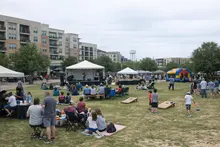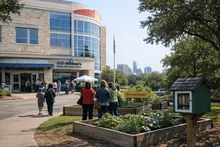
On a fall morning in Mueller, the neighborhood’s trails fill with strollers and cyclists cutting across the former runway grid toward coffee, parks, and the Aldrich Street district. The next few days promise a fresh pull for those routines: a new neighborhood grocer opens its doors, sweet-tooth celebrations follow, and citywide trends in small bites and food storytelling ripple into this east‑central community. The cadence of daily life here—errands by bike, evenings in the park, a post‑dinner cone—keeps evolving, and this week offers a snapshot of what that means on the ground.
A new grocer arrives
Sprouts Farmers Market will stage a community opening event for its Mueller store on October 13, according to Sprouts Farmers Market. The arrival slots neatly into the neighborhood’s walkable format: a produce‑first market that can handle the midweek top‑off and specialty items without requiring a long drive. For residents clustered along Berkman Drive and the Aldrich Street corridor, the added option is likely to redistribute foot traffic through the market district and surrounding blocks, softening the peaks that come with weekend grocery runs.
A grocery opening may seem routine in a city churning with new storefronts, but in Mueller it’s a marker of maturity. The redevelopment’s grid of pocket parks and mixed‑use blocks was designed for short trips; adding another everyday anchor means more reasons to leave the car at home. It also frames the week ahead, when a flurry of food‑centric milestones—some celebratory, one sobering—will bring neighbors into the district at different hours.
Small bites, bigger nights
Even as new grocers lean into daytime traffic, Austin’s bar scene is adjusting at twilight. Here Nor There, the speakeasy‑style cocktail bar downtown, launched a compact snack menu on October 16 designed to pair with drinks, the bar said in a newsletter. The additions include stuffed olives; bite‑sized tarts, sandwiches, and roe crackers; and a dramatic, potion‑colored dip with wonton chips.
The move reflects a broader shift that benefits neighborhoods like Mueller: when cocktail bars add simple food, they lengthen stay times and make a post‑dinner drink feel less like a separate stop. In a district where families finish early at the park and young professionals drift out after work, light snacks can be the difference between a quick round and a full night out. If more operators follow suit, expect later foot traffic along the plaza blocks and small‑plate pairings to become part of the standard evening circuit.
Sweet loyalty, measured in scoops
Lick Honest Ice Creams is marking its 12th anniversary with free scoops on October 17 from 7 pm to closing, according to Lick Honest Ice Creams. The company also kicked off the month with a crowdfunding campaign that raised nearly $100,000 in its first week and has since crossed that milestone, the company said. New fall flavors—Hazel’s Pumpkin Pie and Caramel Apple Cake among them—join the celebration, some returning and some new.
For a neighborhood built around plazas and paseos, promotions like this tend to translate into short, cheerful lines and a small burst of evening energy. Families peel off from the park; couples tack on a dessert walk; teenagers cluster on benches comparing flavors. These little surges add up, especially on weeknights, reinforcing the idea that a neighborhood economy is stitched together by small, repeatable rituals as much as by grand openings.
Culture, values, and the taco canon
Food in Austin is rarely just about what’s on the plate. The Tacos of Texas podcast, hosted by Mando Rayo, recently won a Signal Award in activism for the episode “Thank You Jesus,” which honored migrant farm workers and their impact on the Texas food system, according to Tacos of Texas. For communities like Mueller—where school gardens, nonprofit offices, and weekend markets sit within a few blocks of one another—that intersection of sustenance and story resonates. It underscores how everyday choices at the counter are linked to labor, history, and identity.
That conversation also has a practical echo: neighborhood markets and restaurants increasingly highlight sourcing and worker stories in signage and on social channels, not just as branding but as a reflection of what customers care about. As residents move between a grocer opening and a podcast celebration, the connective tissue is a values‑driven food culture that feels distinctly Austin.
The churn that hasn’t stopped
Not all the news is celebratory. Thunderbirds Coffee, a longtime East Austin shop, announced it will close by December 17 and attributed the decision to pandemic‑related challenges, according to Thunderbirds Coffee. Closures like this remain part of the city’s hospitality reality. For Mueller, which has added storefronts steadily over the past decade, those closures elsewhere are a reminder to pay attention to the quieter economics at home: weekday mornings when a cafe is either full or not, off‑season months when dinner checks dip, and the staffing swings that can test small operators.
What’s on the neighborhood calendar
If you’re plotting a few walks this week, the dates align neatly:
- October 13: Sprouts Farmers Market stages a community opening event for its Mueller location (according to Sprouts Farmers Market).
- October 16: Here Nor There rolls out its snack menu to pair with cocktails (the bar said in a newsletter).
- October 17: Lick Honest Ice Creams offers free scoops from 7 pm to closing and spotlights new fall flavors (according to Lick Honest Ice Creams).
Add those to regular rhythms—Saturday mornings around the lake, weeknight dinners near the paseo—and Mueller’s near‑term picture is clear: more reasons to be out, a little later, a little more often.
Mueller’s appeal has always been practical as much as postcard‑pretty: errands within a few blocks, a park at the end of the street, and enough dining to justify staying close to home. With a fresh grocery option arriving, a citywide tilt toward snack‑savvy bars shaping nightfall, and community‑minded makers rallying support scoop by scoop, the neighborhood’s food economy feels both sturdier and more connected. The next test will be how these pieces hold through the holiday season—whether the new market spreads out the crush, whether small plates keep nights lively, and whether neighbors keep showing up for the operators that make Mueller hum.