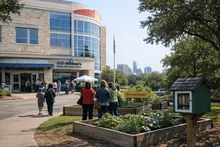
AUSTIN — In Mueller, the Red Velvet pancake at Kerbey Lane Cafe is doing more than sweetening the breakfast rush. Through the end of the year, it’s the centerpiece of a fourth‑quarter partnership aiming to turn stacks into laps, with proceeds from the monthly special benefiting Marathon Kids and thousands of local students.
A neighborhood partnership with citywide reach
Kerbey Lane Cafe has designated Marathon Kids as its Kerbey Kindness beneficiary for the fourth quarter of 2025, channeling a portion of proceeds from its pancake of the month to the Austin‑born nonprofit, according to Kerbey Lane Cafe. The October special is Red Velvet, and the promotion runs through December 31, 2025, with November and December flavors announced as the season progresses, the cafe’s community program page shows via Kerbey Lane Cafe.
The partnership lands in a part of town that typifies Austin’s family energy. Mueller’s parks, schools and active streetscapes have helped turn the area into a weekend magnet for youth sports and stroller walks—a natural match for a campaign built around getting kids moving. Austin is a city of nearly one million residents with a young, growing population, according to the U.S. Census Bureau, and the need for safe, local opportunities to be active cuts across neighborhoods.
How Kerbey Kindness works
The cafe’s giving program, Kerbey Kindness, is part of a broader “Kerbey Community” framework that formalizes support for nonprofits aligned with nutrition, health and wellness, education, family, and animal welfare. Under Kerbey Kindness, quarterly pancake specials send a portion of sales to selected partners, according to Kerbey Lane Cafe. It’s a model built for repeatable impact during a season when dining rooms are full and holiday gatherings drive foot traffic.
Kerbey Lane’s local roots run deep. The company opened in 1980 and now operates multiple locations across Texas, a growth story that has kept its identity tied to Central Texas even as it expanded, according to Kerbey Lane Cafe. The Mueller restaurant has become a neighborhood fixture, and its fall special is as much a seasonal ritual as it is a fundraiser.
What the funds support
Marathon Kids started in Austin and has grown into a national program that helps children build endurance and confidence by tracking miles across a season. The nonprofit reports reaching more than 431,000 children in the 2024/2025 period across all 50 states, including about 36,000 participants in Central Texas, according to Marathon Kids. Program leaders say an independent evaluation from the UTHealth School of Public Health found the approach helps students accumulate the recommended daily 60 minutes of moderate‑to‑vigorous activity, particularly where PE time is limited, as described by Marathon Kids.
The model is simple and school‑friendly: children run or walk laps during PE, recess, or after‑school clubs, and coaches log progress toward season‑long distance goals. The organization emphasizes evidence‑based tools and coach support designed to fit different school schedules, with data tracking to show kids how incremental efforts add up, according to Marathon Kids.
Why the timing matters
This campaign arrives as national experts warn that routine movement is lagging for many children. The 2024 United States Report Card on Physical Activity for Children and Youth assigned an overall D‑ for youth physical activity, with only a minority of kids meeting daily guidelines, according to Children's Mercy. “Children’s physical activity is highly influenced by factors within our communities,” said Jordan Carlson, PhD, in a report highlighted by Children's Mercy. “Human bodies were designed to move and be active, but modern society has made life more sedentary. We need to reengineer our environments and routines to build activity back in. This means providing more opportunities for children to be active that are safe and enjoyable. Policy makers and other community leaders can support children’s health by carefully considering the important role all sectors of society play in removing barriers to physical activity.”
Against that backdrop, the idea that a breakfast order can help fund running clubs resonates with parents looking for tangible ways to support their schools. The Mueller location pulls in families from nearby neighborhoods and across the city—people who may never see a school budget line item but understand that extra cones, lap trackers, and coach training can make a difference on the playground.
By the numbers
- Q4 beneficiary: Marathon Kids, through Kerbey Lane’s Kerbey Kindness program, according to Kerbey Lane Cafe
- Special of the month: October’s Red Velvet pancake; promotion continues through December 31, 2025, per Kerbey Lane Cafe
- Program reach: 431,000 children nationwide; 36,000 in Central Texas, according to Marathon Kids
- Evidence base: Independent evaluation links the program to increases in daily activity minutes, as described by Marathon Kids
The local impact
For Mueller, the partnership offers a reminder that community health is made in everyday places—cafes, parks, school gyms—and that small choices can ripple outward. A portion of one month’s pancake orders becomes a pair of running shoes for a student, a chalked course on a blacktop, or a first “marathon” mile recorded during recess. With a city approaching one million residents and growing families in neighborhoods like Mueller, Hyde Park, Windsor Park, and beyond, the appetite for programs that blend fun and fitness remains strong, according to the U.S. Census Bureau and program participation data from Marathon Kids.
The Red Velvet pancake may be the October headliner, but the throughline is movement—around the neighborhood and across a school year. As Kerbey Lane’s Kerbey Kindness campaign carries through December, the Mueller cafe’s steady stream of weekend orders will help power more laps, one plate at a time.
Read the full story on keyetv.com